
Office Address
4th Floor, College House
University Way, Nairobi, Kenya
Phone Number
+254 721 827 030
0700 348 238
Email Address
info@ackers.co.ke
4th Floor, College House
University Way, Nairobi, Kenya
+254 721 827 030
0700 348 238
info@ackers.co.ke







 by Joan Blessing
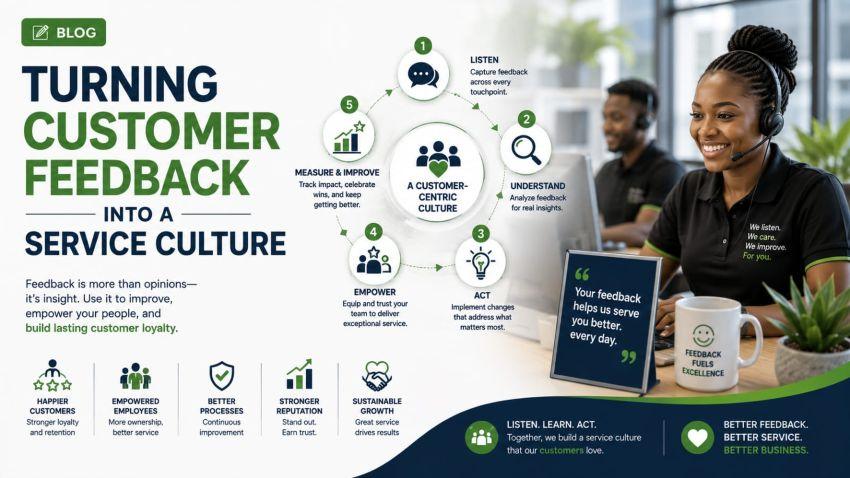
Most organizations collect customer feedback. Comment cards, surveys, call center scores, online reviews — the data exists. The harder, more valuable work is turning that feedback into an actual service culture: one where every employee, not just the customer service department, is oriented around delivering consistent value.
Feedback collection isn't the same as feedback use
We regularly see organizations investing in feedback and satisfaction monitoring — collecting and analyzing customer feedback, surveys, and reviews — without a clear process for acting on what they learn. The result is a growing archive of insights that never reaches the people who could actually change the customer's experience.
Step 1: Map the actual customer journey — not the one you assume exists
Before you can fix a service gap, you need to understand where it happens. Customer journey mapping and analysis — understanding and designing the end-to-end customer journey to identify pain points and opportunities — often reveals that the friction customers experience isn't where the organization assumed it was. A journey mapping exercise is frequently the single most illuminating step in a service transformation.
Step 2: Build consistency into service delivery, not just good intentions
Ensuring consistent, efficient, and personalized service across all customer touchpoints requires more than motivated staff — it requires standardized processes, clear service protocols, and management follow-through. Inconsistency (great service from one branch or one representative, poor service from another) is one of the fastest ways to erode customer trust.
Step 3: Close the loop between feedback and frontline action
Feedback that stays in a spreadsheet doesn't change anything. Organizations that succeed at this build a visible, regular process for feeding customer feedback insights back to frontline teams and management — not just an annual satisfaction report, but ongoing, actionable input that shapes how service is delivered week to week.
Step 4: Build long-term relationships, not one-off transactions
Customer Relationship Management (CRM) — building long-term relationships through tailored communication, loyalty programs, and proactive engagement — shifts the goal from "resolve this complaint" to "build a relationship that survives the next complaint." This mindset shift is often more valuable than any specific tool or software.
Step 5: Train your people, deliberately
None of the above works without frontline staff who are equipped with real customer service skills — empathy, and problem-solving techniques to enhance interactions. Service culture doesn't come from a mission statement on the wall; it comes from staff who've been trained to handle real, messy customer situations with confidence.
Step 6: Keep innovating — customer expectations don't stand still
Using data and insights to innovate services, improve processes, and exceed customer expectations should be an ongoing discipline, not a one-time project. The organizations that maintain strong customer experience over time are the ones that treat it as continuous improvement, not a completed initiative.
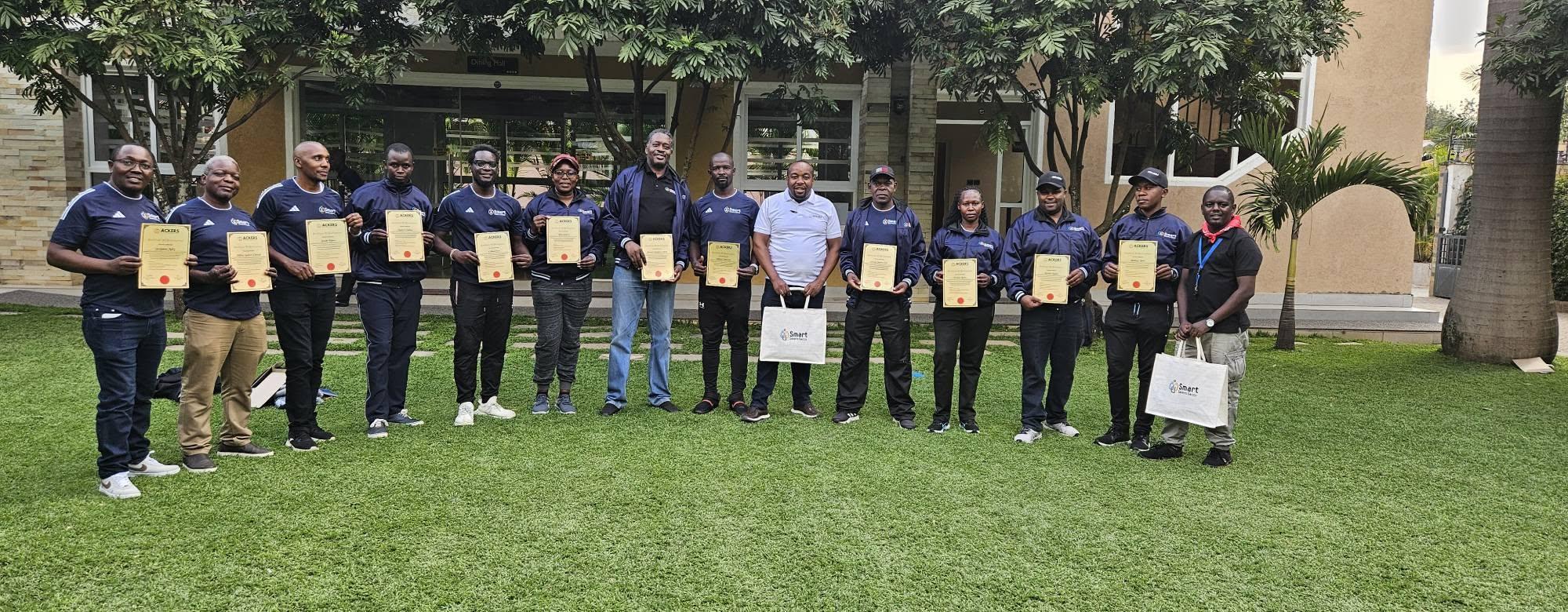
Turning feedback into a genuine service culture requires more than collecting data — it requires journey mapping, consistent delivery standards, a real feedback-to-action loop, and well-trained frontline staff. At Ackers Institute of Management, our Customer Service / Customer Experience training helps organizations build exactly this — from journey mapping to CRM strategy to frontline skills training.