
Office Address
4th Floor, College House
University Way, Nairobi, Kenya
Phone Number
+254 721 827 030
0700 348 238
Email Address
info@ackers.co.ke
4th Floor, College House
University Way, Nairobi, Kenya
+254 721 827 030
0700 348 238
info@ackers.co.ke












 by Joan Blessing
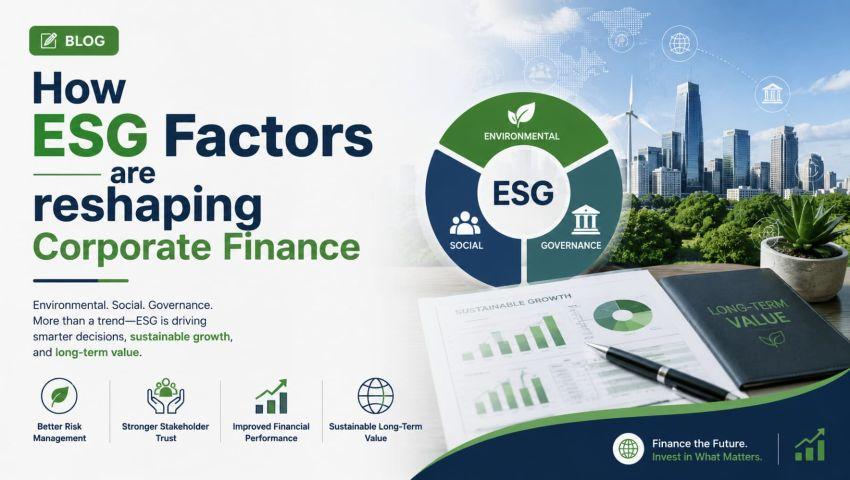
Not long ago, Environmental, Social, and Governance (ESG) factors were treated as a "nice to have" — something large multinationals mentioned in glossy sustainability reports. That's changing fast, and Kenyan businesses that treat ESG as optional are starting to feel it in very practical ways: financing terms, investor due diligence, and regulatory expectations.
Why ESG now matters to your balance sheet, not just your brand
Development finance institutions, pension funds, and increasingly commercial banks are building ESG screening into their lending and investment decisions. A business with weak governance structures, poor environmental practices, or unclear labor policies may find itself facing higher borrowing costs — or being quietly excluded from certain funding pools altogether. On the flip side, businesses that can demonstrate strong ESG practices are increasingly able to access preferential financing terms from impact investors and development partners active in the Kenyan market.
The three pillars, in practical Kenyan business terms
Where finance teams get caught out
The most common mistake we see is treating ESG as a communications exercise rather than a financial one. ESG reporting that isn't backed by real internal controls, documented policies, and consistent data collection doesn't hold up under investor or lender scrutiny — and can create reputational risk if it looks like "greenwashing."
The second mistake is under-investing in the people who need to actually apply ESG thinking day to day — financial analysts, auditors, and department heads who are used to traditional financial metrics but haven't been trained to factor sustainability and governance risk into their models.
Building ESG into your financial decision-making
Practically, this means:
ESG is moving from a compliance checkbox to a genuine driver of financing cost, investor access, and long-term resilience for Kenyan businesses. Our Financial Literacy & Management training incorporates FinTech, AI, and ESG factors into practical, decision-focused sessions — helping your finance team apply these ideas to real budgeting, forecasting, and investment decisions, not just report on them.